
Tsechu festivals: Bhutan's masked dances
9 November 2026 · 2 min read · By Trip Culture Bhutan
A tsechu is a religious festival held in a dzong or temple courtyard, usually over three to five days. The name means "tenth day": most are timed to the tenth day of a month in the Bhutanese lunar calendar, a day associated with Guru Rinpoche, who brought Buddhism to Bhutan in the 8th century.
The cham dances
At the heart of every tsechu are the cham, sacred dances performed by monks and laymen in elaborate brocade costumes and carved masks. Each dance tells a story or carries a teaching: the defeat of evil spirits, the journey of the soul after death, or episodes from Guru Rinpoche's life. Watching a cham is believed to bring blessings, so families come from across the valley to see them.
Between the dances, atsaras (masked jesters) wander through the crowd, teasing onlookers and keeping the mood light. Do not be surprised if one picks you out.
The thongdrel
At some festivals, most famously Paro Tsechu, a giant thangka called a thongdrel is unrolled across the dzong wall before sunrise on the final day. Seeing it is said to free the viewer from sin, and it is rolled away again before the sun touches it.
When they happen
Because the dates follow the lunar calendar, they move a little each year. Paro Tsechu usually falls in spring (around March or April) and Thimphu Tsechu in autumn (around September or October), with many smaller festivals in between. We check the official dates when planning your trip.
How to be a good guest
- Dress modestly: long sleeves and long trousers or a long skirt.
- Do not walk across the dance area, and keep to the edges of the courtyard.
- Photography is usually allowed, but never use a flash and do not block the view of local families.
- Arrive early on the main days: the best spots fill quickly.
Packages you might like
Darjeeling Himalayan Escape – Mountains, Tea Gardens & Toy Train
4 nights / 5 days
Darjeeling Offbeat Himalayan Retreat – Villages, Forests & Tea Gardens
4 nights / 5 days
More stories
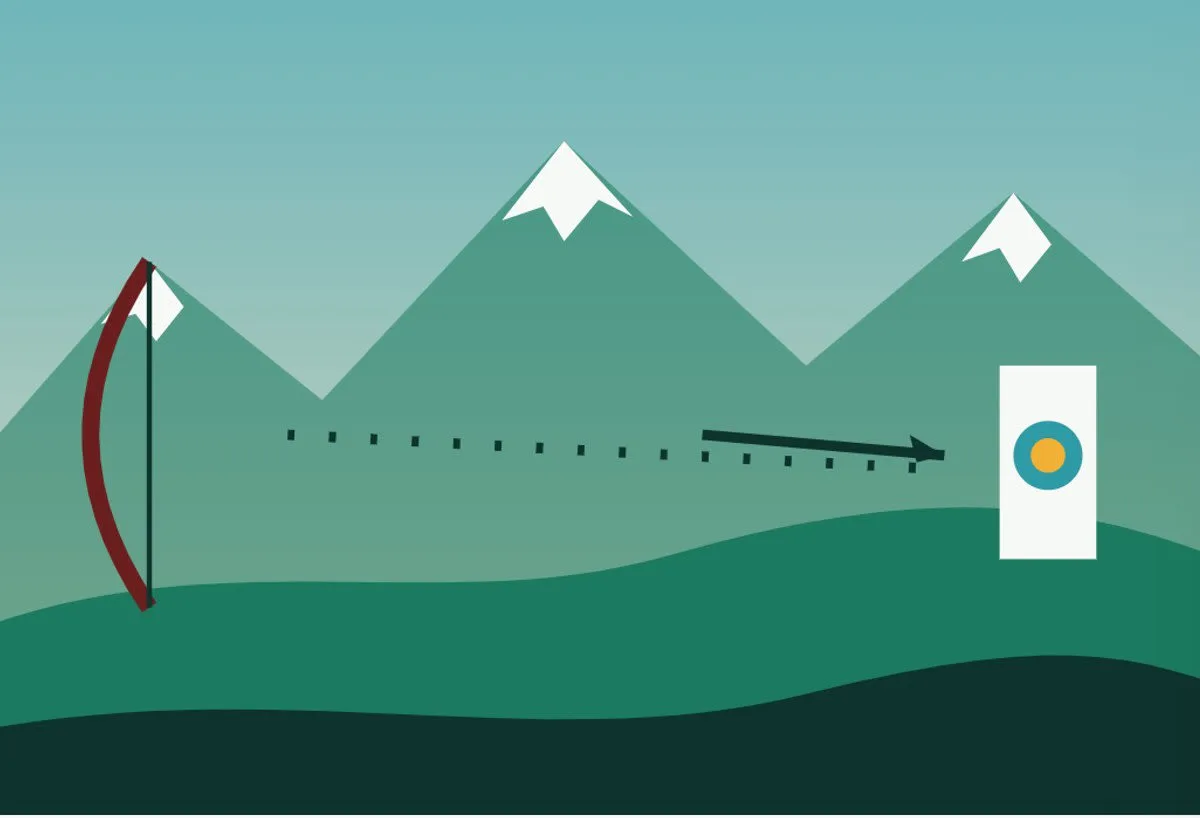
Archery: Bhutan's national sport
Long-distance targets, singing teams and good-natured teasing: why archery in Bhutan is as much a celebration as a competition.
9 Nov 2026 · 1 min read

Ema datshi and butter tea: a guide to Bhutanese food
Chillies as a vegetable, cheese in everything and salty butter tea: what to expect from Bhutanese food, and how to ask for it milder.
9 Nov 2026 · 1 min read

Gho and kira: Bhutan's national dress
Why Bhutanese wear the gho and kira every day, what the scarves mean, and how to wear the national dress yourself.
9 Nov 2026 · 1 min read